
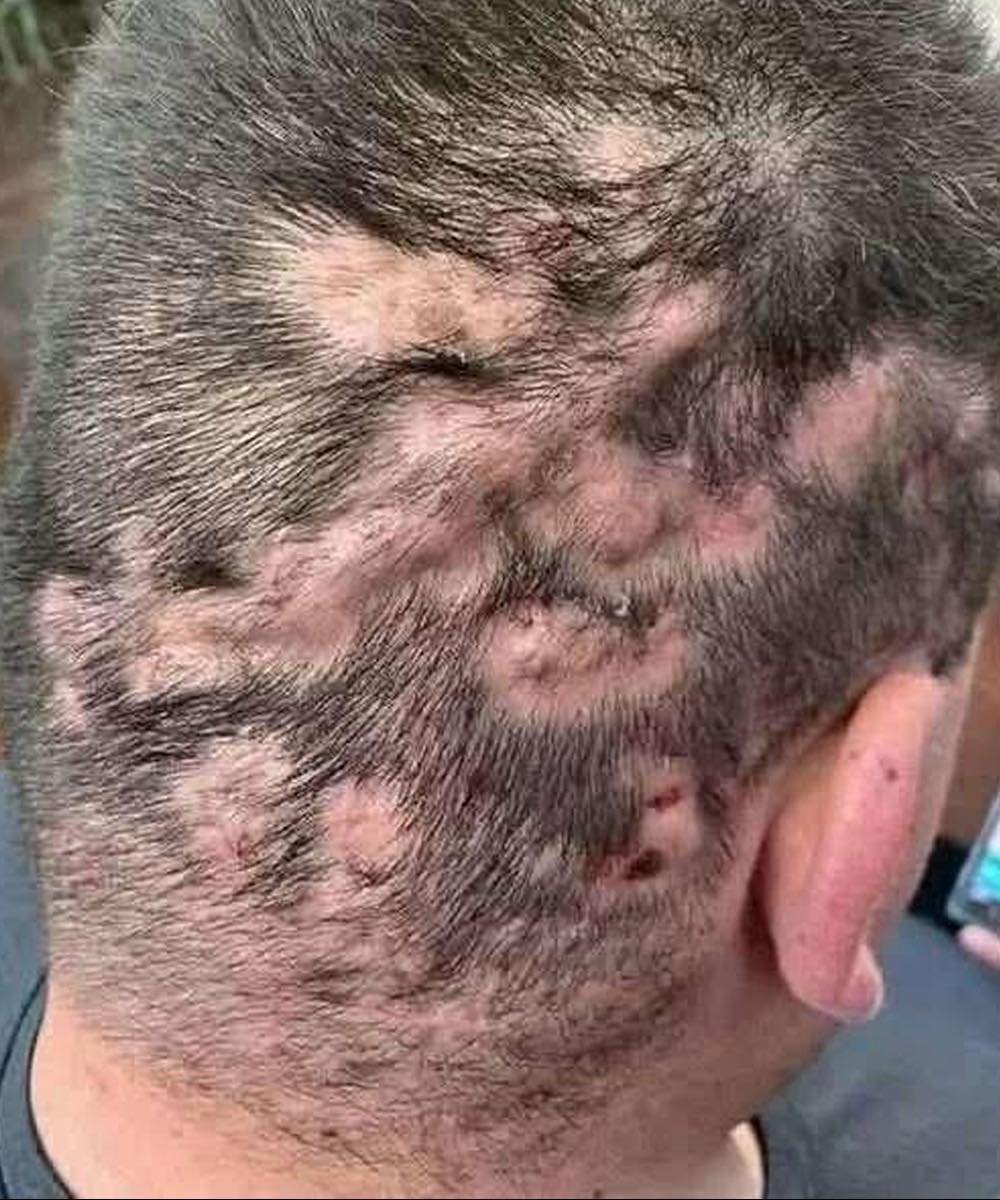
Dark, velvety patches appearing on areas like the neck, underarms, or groin can be easy to dismiss at first glance. Many people assume it’s dirt, irritation, or a temporary skin issue.
But when these patches don’t wash off and gradually become thicker or darker, they may point to something deeper — a condition known as Acanthosis Nigricans.
This condition isn’t caused by poor hygiene. In fact, scrubbing the skin won’t remove it. Instead, it often reflects changes happening inside the body, particularly related to blood sugar and insulin levels.
Acanthosis Nigricans itself isn’t harmful on its own. It’s best understood as a visible signal, rather than a standalone illness.
The most common underlying cause is insulin resistance, a state where the body struggles to use insulin effectively. When this happens, insulin levels rise, which can stimulate skin cells to grow more rapidly — leading to the thickened, darker appearance.
Obesity, which is strongly linked to insulin resistance
Hormonal conditions, such as polycystic ovary syndrome (PCOS)
Both children and adults can develop these patches, but when they appear alongside excess weight, they may indicate an increased risk of Type 2 Diabetes.
Because they don’t cause discomfort, they’re often overlooked — which is why they can be important early clues.
However, certain patterns should not be ignored:
These may suggest worsening insulin resistance or rising blood sugar levels.
If you notice these patches and they don’t improve, it’s worth consulting a healthcare provider.
A doctor may recommend simple tests, such as:
Early evaluation can help identify whether there’s an underlying issue that needs attention — often before more serious complications develop.
Skin often reflects internal health more than we realize.
In the case of Acanthosis Nigricans, what appears on the surface can be a quiet signal from the body — not something to panic about, but something to understand.
Recognizing these signs early can make a meaningful difference, especially when it comes to preventing or managing conditions like Type 2 Diabetes.
Sometimes, the smallest changes are the ones worth paying the most attention to.











Leave a Reply