
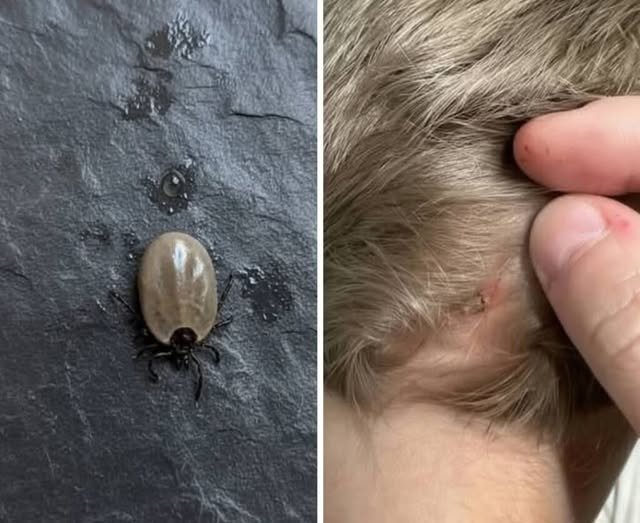
Perhaps you’re brushing your child’s hair after bath time, braiding it for school, or sitting together on the couch, running your fingers through soft strands while watching a show. And then—you notice it.
Your heart skips a beat. Your stomach tightens. Your mind races.
Few parenting moments cause such instant worry. A bug in your child’s hair feels invasive and personal. But here’s the reassuring truth:
Most scalp bugs are manageable. Most situations are not emergencies. Most parents handle this far better than they realize.
This guide walks you calmly through what you might be seeing, how to respond safely, and how to move from panic to confidence.
The human scalp is intimate territory. Close to the face, near the brain, and part of the identity of the person you love most. When an unfamiliar insect appears there, it feels bigger than it really is.
Part of your panic is evolutionary. Humans are wired to react quickly to potential parasites. That alarm is your brain’s way of trying to protect your child.
In modern life, however, most scalp “invasions” fall into a few predictable categories. Knowing them transforms chaos into clarity.
Before reaching for harsh chemicals or rushing to an urgent appointment, the first step is simple: identify the bug.
When you find a small insect in your child’s hair, it usually belongs to one of three categories:
Each has a different appearance, behavior, and recommended response.
Do not jump, fly, or survive long without a human host
Usually found behind ears or at the nape of the neck
Unlike dandruff, nits do not brush off easily
If you see multiple nits in the same area, you are likely dealing with lice.
Over time, some lice populations have become resistant to chemical treatments, which is why many pediatric experts recommend manual removal through wet combing. This method is safe, effective, and avoids unnecessary chemical exposure.
Ticks are different in appearance and risk:
Dark brown or black; may appear grayish if engorged
Do not move rapidly like lice; they attach to the scalp
Ticks can carry diseases, including Lyme disease, regional tick-borne infections, and rarely, alpha-gal syndrome (a tick-related allergic response). Most bites do not cause illness, but proper removal is critical to reduce risk.
Not every insect in hair is a parasite. Sometimes children pick up a tiny beetle, ant, or grass insect after:
In these cases, simple removal and a rinse are usually enough.
The Itching Myth: Why Lice Don’t Always Cause Scratching
Many parents expect immediate itching with lice—but it’s not always the case.
Lice itch results from an allergic reaction to saliva during feeding.
Sensitivity can take days or weeks to develop.
Many children have no immediate symptoms and continue normal behavior.
Routine scalp checks are far more reliable than waiting for scratching to appear.
Children mirror adult reactions. Panic spreads quickly. A steady, neutral tone helps your child feel safe. Simple phrases like:
Avoid dramatic words like “infested” or “gross.”
Crawling insect: Use tissue or tweezers, seal it in a container, and wash hands.
Attached bug (possible tick): Use fine-tipped tweezers, grasp close to the scalp, pull upward steadily, avoid twisting, clean the area with soap and water.
Look for additional insects, nits, redness, or irritation.
Comb from scalp to ends with a fine metal nit comb
Monitor for: expanding rash, fever, fatigue, or joint pain
Contact a healthcare provider if symptoms appear
Wash pillowcases, recently worn hats, and bedding on a warm cycle
No need for extreme measures like fumigating the house or bagging all toys
Moderation protects both your home and sanity.
Truth: Lice actually prefer clean hair—it’s easier to grip.
Truth: Lice spread through close contact—playdates, sports, and schools.
Truth: They reflect childhood social activity, not your care.
Keep your tone light. Confidence from you builds resilience in your child.
Minimize head-to-head contact during outbreaks
Lightly scented shampoos or oils may discourage insects
Most cases resolve without complications.
Finding a bug can feel overwhelming. Remember:
Scalp bugs are part of childhood—alongside scraped knees, splinters, and colds. Handling them with patience and observation sets a strong example for your child.
Final Takeaway: From Panic to Preparedness
A tiny moving speck can feel enormous—but most scalp invaders are:
Key strategies: calm identification, measured response, and clear communication.
You don’t need fear—you need steady hands, a good comb, and a bit of perspective. This small chapter in childhood is one you can handle with confidence.
Additional Tips for Parents: Staying Ahead of Scalp Invaders
Even with careful observation, scalp bugs can still appear unexpectedly. The best defense is preparation and consistent routines. Small, proactive steps can make a big difference in both preventing infestations and reducing stress when they occur.
Having a few essential tools ready at home can save time and panic:
Fine-tooth metal nit comb: This is the most effective tool for manually removing lice and eggs. Plastic combs often bend or skip over nits, leaving them behind.
Tweezers: Useful for safely removing ticks or larger insects. Fine-tipped tweezers work best to grasp close to the scalp without crushing the insect.
Bright lighting: A strong light source makes detection easier. Natural sunlight or a well-lit table lamp is ideal when checking hair.
Magnifying glass: While not strictly necessary, it can help identify nits or very small insects that are difficult to see with the naked eye.
Keeping these items in a designated kit allows you to respond calmly, without scrambling for supplies in the moment of stress.
One of the simplest ways to prevent large outbreaks of lice or other insects is to incorporate routine hair inspections into your weekly schedule. These checks do not need to be time-consuming:
Choose a consistent day, such as Sunday evening, when everyone is home and relaxed.
Gently comb through your child’s hair, focusing on areas behind the ears and along the nape of the neck.
Look for tiny specks, moving insects, or attached nits.
Combine this with hair washing or conditioning sessions to make the process smooth and comfortable for your child.
Regular inspections help catch problems early, often before any itching or discomfort appears.
While lice infestations are not a reflection of hygiene, healthy hair care can reduce the risk of infestations worsening:
Keep long hair tied back: Braids, buns, or ponytails limit hair-to-hair contact during school, sports, or playdates.
Wash and dry hair thoroughly: Moist hair can make it easier for lice to move and attach. Keeping hair clean and dry helps slow their progress.
Avoid sharing combs, brushes, hats, or headphones: These common items can transfer insects between children.
Consider protective hairstyles: Simple braids or tightly secured hair are effective preventive measures during high-risk situations, such as sleepovers or summer camps.
These practices are preventive, not punitive. They allow children to play freely while lowering the likelihood of infestations.
Teaching children about scalp bugs in a calm, age-appropriate way reduces fear and shame. Simple lessons include:
Lice and ticks are common and happen to many children.
They are not a sign of being “dirty” or bad.
Reporting itching or seeing something unusual in their hair helps parents respond quickly.
Empowering children with knowledge makes them partners in prevention rather than passive victims, creating a supportive, cooperative approach.
Discovering a bug can be stressful for both child and parent. Even after proper removal, reassurance is important:
Explain that the problem is temporary and treatable.
Praise their patience and cooperation during combing or examination.
Normalize the experience: “Many kids go through this, and it’s nothing to be embarrassed about.”
Encourage hygiene habits without instilling fear.
This combination of practical care and emotional support strengthens your child’s resilience and reduces anxiety for future incidents.
Children spend a significant portion of their day in group environments. Preparing for these settings is key:
Inform teachers discreetly if lice are detected. Most schools have clear protocols for handling outbreaks.
Encourage the use of hats, scarves, or hair ties during playdates or group sports to minimize direct hair contact.
Teach children to avoid sharing personal items such as headphones, hairbrushes, or towels.
A proactive approach at home and in school prevents minor issues from escalating into larger infestations.










Leave a Reply