
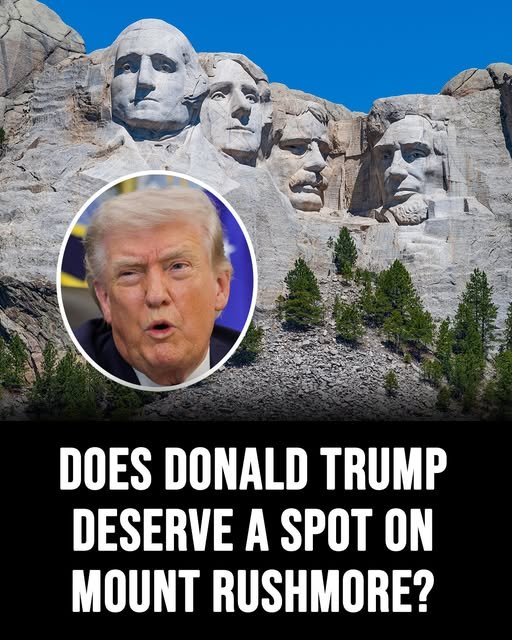
The words landed like a warning shot. In Miami, Donald Trump said “Cuba is next” — then almost instantly told the crowd to pretend he never said it. The phrase ricocheted across headlines, raising fears of intervention, escalation, or worse. Yet behind the viral clip lies a quieter, more fragile reality, where sanctions, backchannel talks, and a desperate Cuban crisis all collide in uncom…
Trump’s remark struck a nerve because it arrived in a moment already stretched thin. Cuba is struggling through blackouts, shortages, and deep economic strain, much of it intensified by U.S. sanctions and fuel restrictions. At the very same time, quiet exceptions and concessions are still happening: a Russian tanker allowed to deliver oil on humanitarian grounds, Havana releasing prisoners while talks with Washington continue. The public rhetoric and the private diplomacy are moving in opposite directions.
That’s why those seven words feel so volatile. For some, they sound like a hint of future intervention; for others, they’re performance politics meant to project strength without committing to action. Both readings miss something vital: a single line can inflame emotions without reflecting any real policy shift. In a world where phrases outrun facts, the challenge is to stay alert without surrendering to panic, to watch closely without assuming every sharp statement is a coming storm.






Leave a Reply