
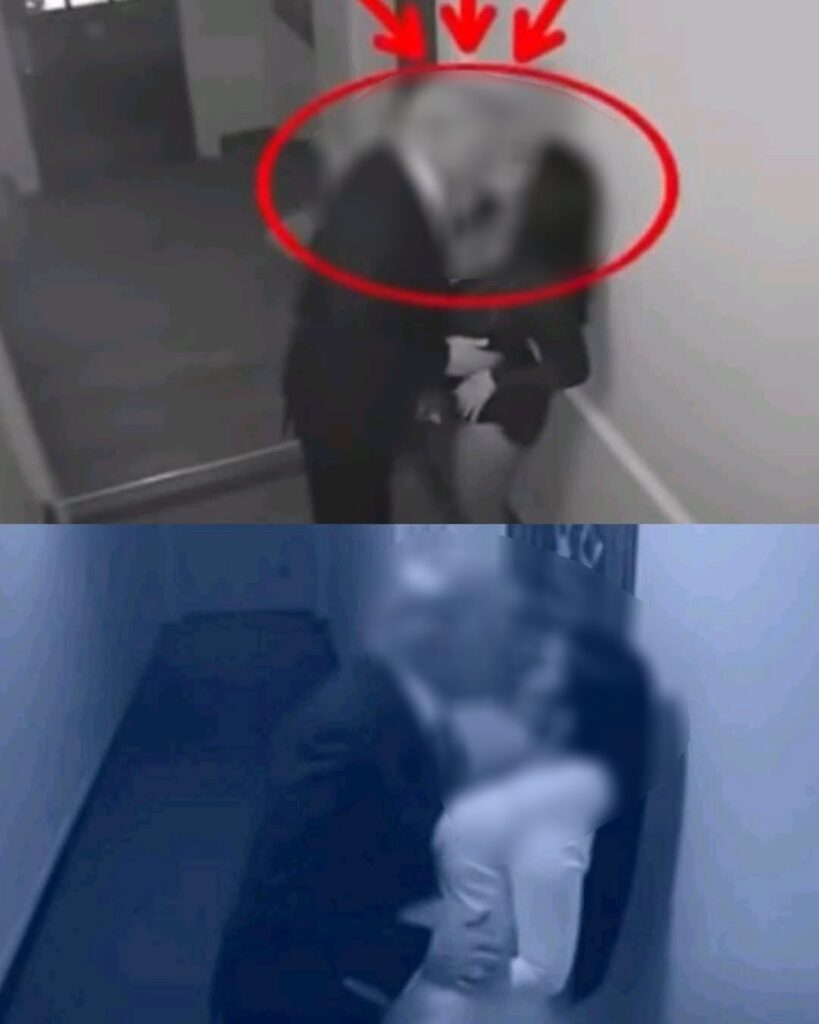
White House Scandal: Viral “Leaked Video” Sparks Online Frenzy
A wave of speculation erupted online after claims surfaced about a mysterious video allegedly connected to former U.S. President Donald Trump. The clip, which began circulating through anonymous social media accounts late last night, quickly triggered intense debate and curiosity across the internet. Within hours, the phrase “White House Scandal” began trending as users rushed to discover what the footage might contain.
Despite the rapid spread of the claims, very little verified information has been confirmed so far. Still, the story has captured the attention of millions, highlighting how quickly rumors and speculation can spread in today’s digital environment.
According to early posts shared by anonymous accounts, the alleged footage was recorded during a private gathering near the White House. The accounts claimed the clip shows a tense interaction involving Trump and several unidentified individuals.
The short segment that has circulated online reportedly contains only a brief moment of conversation, leaving viewers guessing about the broader context. Because the clip is incomplete and its origin is unclear, it has created more questions than answers.
Some online users insist the video reveals something significant happening behind closed doors. Others argue that the footage could easily be misinterpreted or taken out of context.
At the moment, no official source has verified the authenticity of the recording.
Experts who study digital media say situations like this demonstrate how powerful viral content has become. A short video clip—even one lacking confirmation—can spark massive reactions across social platforms within minutes.
In the age of instant sharing, millions of people can see and discuss a claim before journalists or investigators have time to determine whether the information is accurate.
Political analysts warn that this phenomenon can easily lead to confusion. When a video spreads without verified background information, viewers often fill the gaps with speculation or assumptions.
This pattern has been seen repeatedly in recent years, particularly when political figures are involved.
As the rumor spread, reactions quickly divided along political lines.
Supporters of Donald Trump dismissed the claims as another example of online misinformation. Many argued that similar rumors have appeared before, only to later prove misleading or completely false.
Some commentators suggested the clip may have been edited or selectively shared in order to create controversy.
Critics, however, say the situation raises questions that deserve clarification. They argue that if the video is genuine, the public has a right to understand what it shows and when it was recorded.
Because of these conflicting interpretations, the debate surrounding the footage has continued to grow online.
As of now, no official statement has been released from representatives of the former president or from authorities connected to the White House.
The absence of confirmation or denial has only fueled further speculation. In many viral stories, silence from official sources often leads to even more rumors as people attempt to interpret what the lack of response might mean.
However, experts caution that investigations and fact-checking often take time. Determining whether a video is authentic can involve digital analysis, source verification, and confirmation from multiple parties.
Until those steps occur, conclusions remain premature.
The Challenge of Verifying Digital Evidence
Modern technology has made it easier than ever to create and distribute videos, but it has also made verification more complicated.
Clips can be edited, shortened, or even manipulated in ways that dramatically change their meaning. Without the original recording and full context, it can be difficult to determine exactly what happened in a given moment.
This is why journalists and investigators typically rely on several steps before confirming the authenticity of footage:
Comparing the location and environment in the video
Confirming details with witnesses or participants
Until these steps occur, viral clips should be treated with caution.
There are several reasons why rumors involving political figures often gain traction rapidly.
First, public figures naturally attract high levels of attention. When a rumor involves someone who has held one of the most powerful positions in the world, curiosity increases dramatically.
Second, social media platforms reward engaging content. Posts that spark strong emotions—whether surprise, anger, or curiosity—are often shared more frequently, causing them to spread faster.
Finally, incomplete information invites speculation. When viewers see a mysterious or unexplained moment, they often attempt to interpret it themselves.
This combination can turn a short clip into a global discussion within hours.
For now, the alleged video remains unconfirmed, and its origins are still unclear. Without official verification or a complete version of the recording, the story remains largely based on speculation circulating online.
Journalists and analysts say the most responsible approach is to wait for credible evidence before drawing conclusions.
If the footage proves authentic, investigators and reporters will likely examine it carefully to understand the context and significance of the moment it captures.
If it turns out to be misleading or edited, the situation will serve as another reminder of how easily misinformation can spread.
Until more details emerge, millions of people continue to follow the developing story.
The viral posts, debates, and theories circulating across social media have left one central question lingering in the minds of viewers everywhere:
What actually happened in that video—and will the full story eventually come to light? 👀




Leave a Reply